Honouring the Original Nine: Sisterhood, Legacy, and Leadership
Article is written by Chitupa Mung’omba and Kim Keating.
At Arte Leadership we are taking time to honour Black History Month in the US.
As black female leaders, it would be remiss of us not to pause and recognise the legacy of nine significant black women who paved many ways for not only us, Kim Keating and Chitupa Mung’omba, but many other formidable women who are part of Alpha Kappa Alpha.

Kim’s Story: Leadership Begins Long Before the Boardroom
Before SMU.
Before Kappa Mu.
Before strategic HR consulting and boardrooms.
There was North Little Rock, Arkansas.
I grew up in a place where history wasn’t abstract—it lived in the streets, the schools, the church pews, and the quiet conversations around kitchen tables. Little Rock carries the weight of the Little Rock Nine, of integration battles, of Black excellence rising in spaces that weren’t designed for us. That legacy shaped me long before I had language for it.
I learned early what it meant to navigate predominantly white spaces without losing yourself. I learned how to read a room, how to build bridges, how to stand firm when my voice shook. I watched strong Black women—family members, church leaders, educators—hold communities together with grace and grit. They modeled dignity without apology. Ambition without arrogance. Faith without passivity.
Little Rock taught me resilience.
It taught me strategic thinking before I knew to call it that.
It taught me that access is never accidental—it is built, protected, and extended.
And every table I sit at today carries echoes of Little Rock.
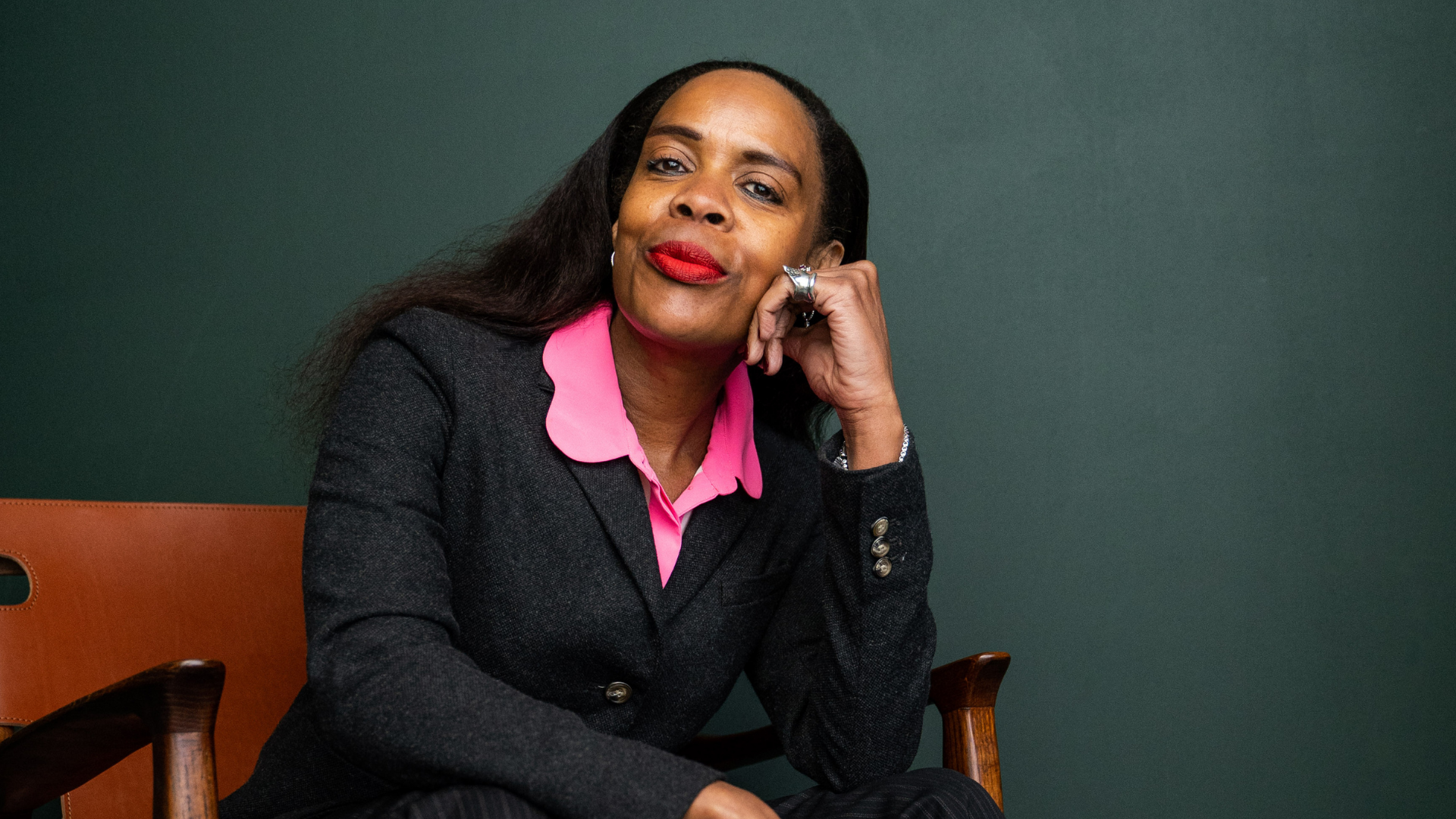
Chitupa’s Story: Leadership Was the Language of Home
Before SMU,
Before Kappa Mu.
Before Leadership Development consulting and boardrooms.
I was brought up in a family of leaders, black leaders.
I witnessed my African father’s leadership as a lawyer, as a banker, as President of the African Development Bank, as a father and so much more in International arenas. To me being a black man meant being intelligent, loving, caring, intellectual, focused, driven and being a visionary.
I also had the privilege of witnessing women’s leadership from my Caribbean mother who was a lawyer with her own law firm. To me being a black woman meant being a visionary, driven, focused, intellectual, caring, loving and intelligent.
My parents taught me fortitude.
How to stay in integrity even if those around you choose not to.
How to show up with “extreme” excellence and serve.
How to stay true to one’s identity and vision whilst honouring others.
By the age of 12, I had gone to 12 primary schools all over the world because of my parent’s International careers. They decided to put my sister and I in a boarding school called Downe House in Cold Ash where my sister and I were the only 2 people of colour / black students for our whole secondary school. At Downe House we both felt we belonged and so my experience of living in a completely white space was a really good one.
After Downe House I went to SMU and my bubble completely burst on the first day at SMU. A blonde haired Texan student “mistook” my uncle in his 3 piece Italian suit as a porter and asked him to take up her bags to the room. From day 1 until graduation day I encountered daily racism - and it was during this period that I understood the significance of sisterhood.
Spring 1987: Where Sisterhood Began
Spring 1987.
Kappa Mu Chapter.
Southern Methodist University.
We crossed the burning sands together, side-by-side, and in doing so, we didn't just join an organization—we joined a legacy.
We became part of a sisterhood that began on January 15, 1908, when nine visionary women at Howard University refused to accept that there was no space for them and created it instead.
Nearly three decades later, we're still sisters. We've celebrated each other's victories, supported each other through challenges, built careers on different continents, and maintained a bond that transcends distance, time zones, and the inevitable ebbs and flows of life. That's the power of AKA sisterhood—it's not just for four years. It's for life.
This Black History Month, as we reflect on our journeys from line sisters to seasoned leaders—Kim in strategic HR consulting and Chitupa in leadership development—we want to talk about what sisterhood really means and why it matters now more than ever.
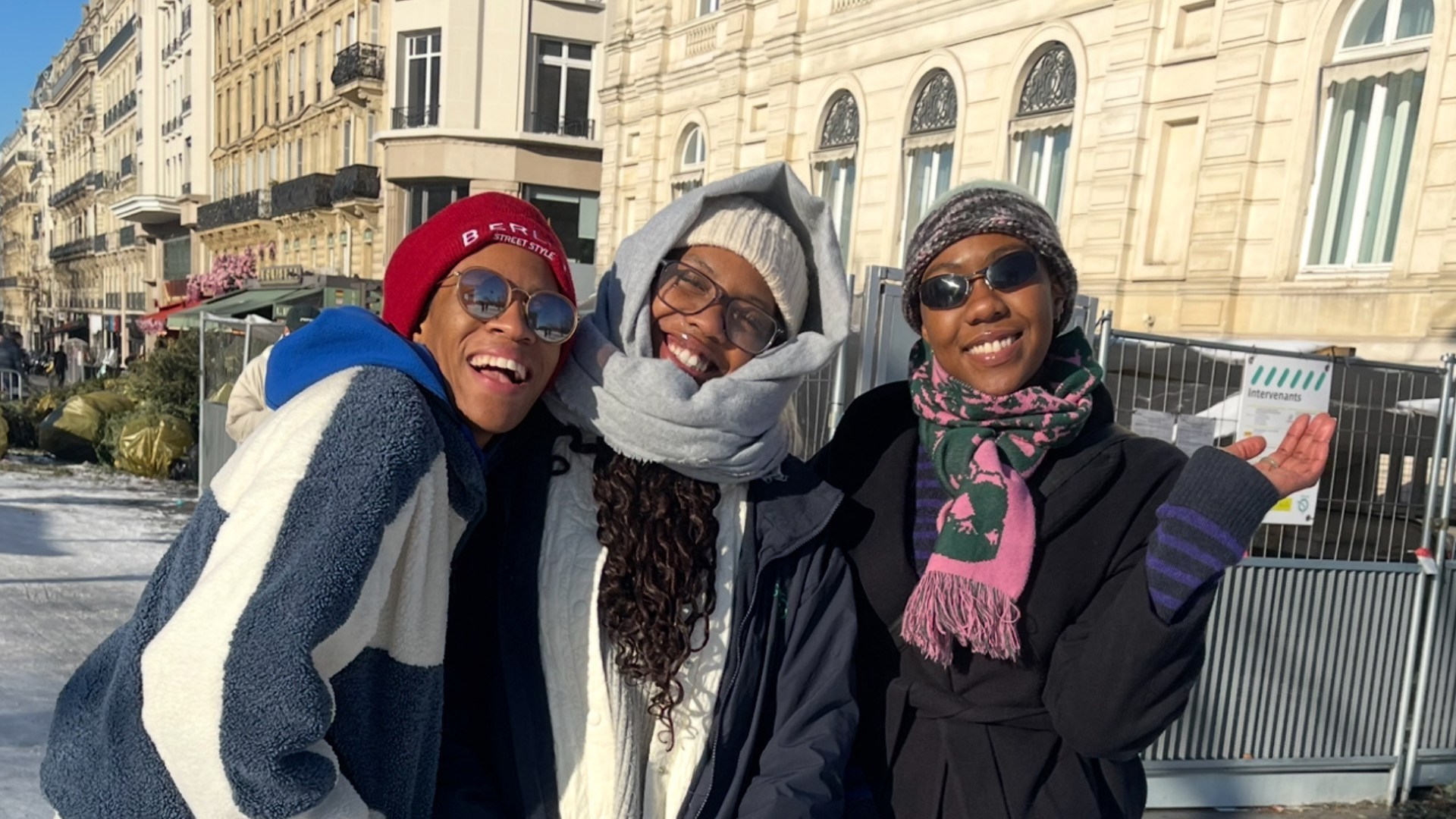
What Sisterhood Actually Looks Like
Spring 1987 at Kappa Mu taught us lessons we're still unpacking nearly three decades later:
Sisterhood requires vulnerability.
You can't have a deep connection without letting people see you—the struggles, the doubts, the moments when you don't have it all figured out. True sisterhood creates space for the whole person, not just the polished version.
Sisterhood demands accountability.
We don't let each other coast. We push each other toward our highest potential, even when it's uncomfortable. Especially when it's uncomfortable.
Sisterhood celebrates authentically.
There's no room for comparison or competition in real sisterhood. When your sister wins, you genuinely celebrate because you know how hard she worked and how much she deserved it.
Sisterhood shows up.
It's the phone calls, the text check-ins, the "I saw this and thought of you," the "how can I support you right now?" It's presence—consistent, reliable, loving presence.
Sisterhood is about leadership.
Asking the question of how do I lead when I show up? How do I lead my life, my career/business/ within my family. We owe it to other sisters to be a role model and it begins with our choices and decisions to develop thriving legacies.
Sisterhood is forever.
The bonds we formed in Spring 1987 didn't end at graduation. They evolved, deepened, and became part of the foundation we built our lives on.

A Challenge This Black History Month
As we honor the legacy of the Original Nine and the thousands of AKAs who came after them, we challenge you to practice sisterhood in action:
This week:
Text a sister (sorority or otherwise) right now. Not to ask for anything. Just to say, "I'm thinking of you. What support do you need?"
Celebrate another woman's success publicly. Comment on that LinkedIn post. Send that congratulatory email. Make sure she knows you see her and you're proud.
This month:
Identify one woman in your network who needs sponsorship, not just mentorship. Use your influence to open a door for her.
Have one vulnerable conversation with another woman about something you're struggling with. Practice asking for support instead of pretending you have it all together.
This year:
Build or join a sisterhood circle. Chitupa and Kim are developing a sisterhood circle so watch this space in 2026. Create an intentional space for authentic connection with other women. Make it a priority, not something that happens if you have time.
Look at who's missing from the tables where decisions are made. Use your voice and your platform to ensure other women get access.

From Kappa Mu to the World
Spring 1987 feels like yesterday and a lifetime ago. We were so young, so full of dreams, so uncertain about what the future held. What we didn't know then but understand now is that the greatest gift of that season wasn't the letters we earned or the organization we joined.
It was each other.
It was learning that we're stronger together than we could ever be alone. That our success is collective, not competitive. That vulnerability isn't weakness—it's the foundation of real connection. That showing up for each other, consistently and authentically, is what transforms organizations, communities, and lives.
The women who founded Alpha Kappa Alpha in 1908 understood this. They knew that Black women supporting Black women wasn't just nice—it was necessary. It was revolutionary. It was how we would not just survive but thrive.
Nearly 120 years later, in a world that still tries to pit women against each other, that still undervalues our contributions, that still questions our leadership, sisterhood is still revolutionary.
So we honor the Original Nine by being for each other what they were for each other: champions, truth-tellers, celebrators, and sisters. We honor Kappa Mu, Spring 1987 by staying connected, staying committed, and staying in service. And we honor all the AKAs who came before us by ensuring that the next generation of women inherits an even stronger sisterhood.
If you are part of a sisterhood be it AKA or otherwise please call out to Kim Keating and Chitupa Mung’omba and let them know what sisterhood has done for you in your life.